
Part 1 — The Old Proconsul
A story of ancient combat · Caralis, 214 BC · Second Punic War

Manlius stared thoughtfully into the fire.
Inside the walls of Caralis he was warm and dry, and that was something. The heat reached into his aging bones and found the ache that lived there now. Not a wound exactly, more a chill that had taken up residence and refused to leave, even on an evening as mild and clear as this one. He turned his hands toward the flames and worked his knuckles open, slow and deliberate, the way a man works a stiff hinge. Sixty-one years old. Too old, by any honest reckoning, to be conducting tactical disengagements against Hasdrubal and an army whose size he had never once been allowed to see.
This day had reminded him too much of the other days. The dark ones. The bloody forests of Gaul, the close green dark where you often could not see the man who killed you, where he had soldiered under Camillus and learned what it was to fight at disadvantage, almost blindly.
And yet — thank the gods for those days. Rome came out of those experiences and fought like a well-oiled machine now, ever since the Camillian reforms: the manipular line, the passage of ranks, the discipline that let a tired army bend without breaking. Well. Not lately, perhaps. Not so much. He grimaced as the old wounds warmed, and leaned closer to the fire.
“That Hannibal,” he said to the flames, “and all his clan. Lucky only so many times.”
He did not believe it tonight, but it was a good thing to say aloud.
“Proconsuls today are all self-serving fools.” He sighed. They sought glory for themselves and called it the glory of Rome. Well. This old fool will not be fooled. My legions will fight, or they will die trying to put down this rebellion. Bbut they will not be fooled.
His attendant stepped forward and refilled the watered wine. Manlius waved the jug away, harder than he meant to. “Enough.”
He rose stiffly and crossed to the map table, calling for more light. A boy brought lamps and the shadows pulled back from the coastline scratched into the wax. There was the problem, laid out plain: he could not read it. Hasdrubal’s cavalry screen had ridden circles around his scouts for a week and kept him ignorant of the one thing that mattered. Know thy enemy. A tale writ large by our God of War. The true size and quality of the Carthaginian force loose on this island, he had no clear understanding. He needed more time. He needed to train his troops further.
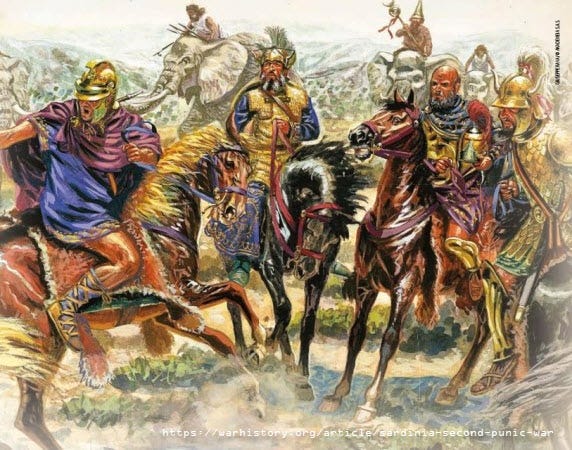
He had at least drawn first blood. The V and XIV had given that young rebel Hostus a sound beating earlier in the week, and the gods knew the men had needed the victory. The V had been leaderless too long, raw recruits held together by Pimus Pilus and best Centurions. The XIV was a motley crew if ever he saw one. They had performed well enough — but his tribunes and prefects had been reckless, and he’d had a devil of a time reining in their pursuit. Opportunities lost. A small win bought at the price of a lesson he would rather they had already known.
By every report, Hasdrubal would arrive in two days.
When he does, I will be ready. He set his aching knuckles on the edge of the map table and let the warmth go out of them again.
But will my men be?
Two mornings later he had his answer, or the beginning of one. The armies stood arrayed against each other across seven hundred metres of open ground, close enough that he could see the colors but not yet the faces.
On his own right, the African few elephants, screened a ragged assortment behind them: goat-skinned Sardinians, Thracians, Aetolians, the leavings of a rebellion. He turned and looked left, toward the heart of the enemy line, and there it was. The heavy infantry of Carthage, their distinctive purple-hued robes, lifting and falling in the breeze. Thier burnished shields almost as pristine as hi own Legions, reflecting the sun. Beside them the Iberian light foot, round bucklers catching the early light.
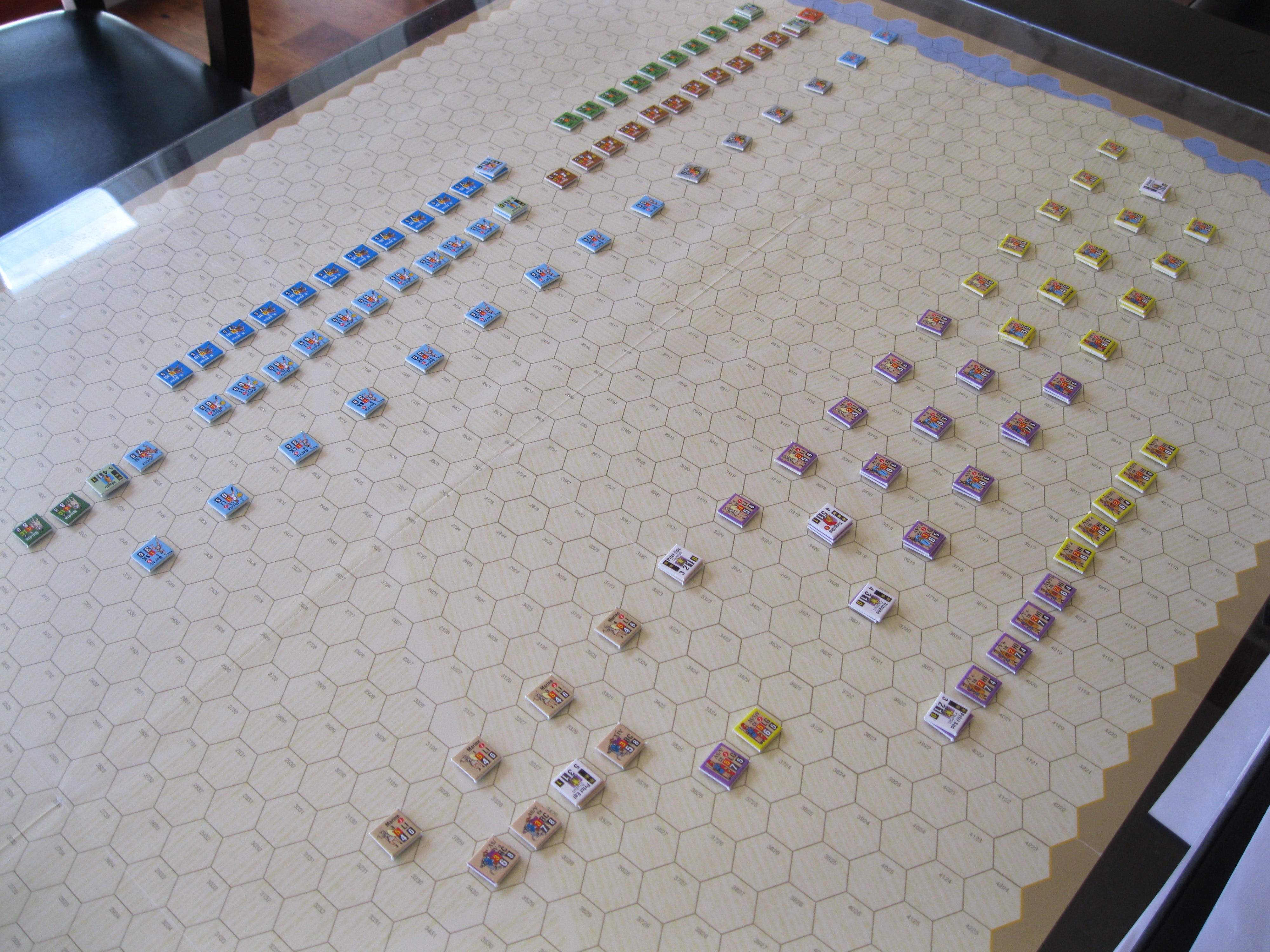
And on the far left, the horse. Carthaginian heavy cavalry trampling the ground among the lancers, and threaded through them the Numidians. Mere savages. Nearly naked, a shield and a fistful of wicked javelins their only kit, stark against the breastplates and greaves of the heavier men. Beautiful, in the way a blade is beautiful. He had seen what they did to a flank. Thier speed, accuracy and timing made up for thier lack of armor.
A lone horn sounded across the field.
As Manlius had expected, the entire enemies right, under their general Mago, began its wide sweep toward his twelve hundred Roman cavalry. Nothing new there. By prescription and by custom he gave the order, and his Velites went forward at the trot, javelins ready to intervene.
The warriors closed.
Then… what?
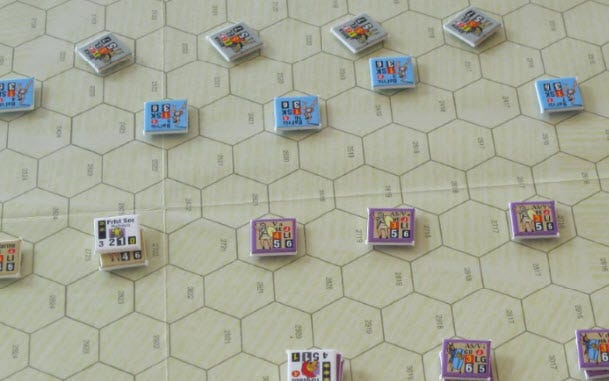
A rolling crash struck his eardrums. Horses, men, javelins, all of it thrown together just off his left, dust going up in a sudden brown wall. No time to think about elephants. The V Legion’s cavalry was already losing cohesion, the formation fraying at the edges, and as he watched one alae simply came apart and fled the field. Damn. The Celtic lancers had paid for their brash charge too, by the look of it, some small comfort.
“Steady!” he roared down the line. “Keep your pace!” He jerked reins, and reeled around. Seeking order.
His attention dragged left again, pulled by something his soldier’s instinct had caught before his eye could name it. He looked. And the chill that lived in his bones spread all at once into his stomach.
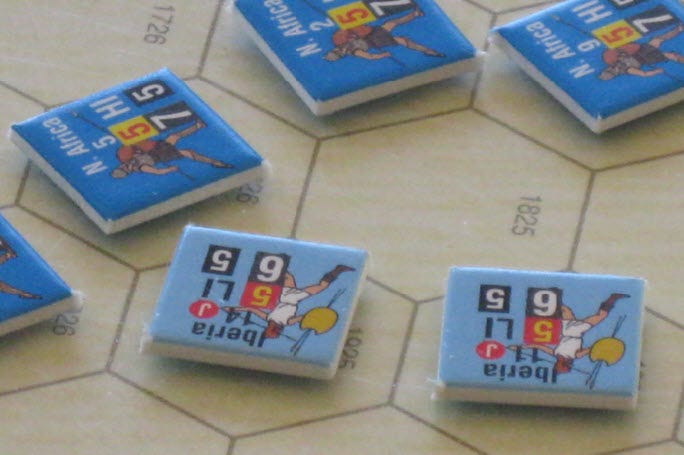
That was Hanno. Hanno, at the head of the African heavy infantry — and they were also sweeping his left, coming out from behind the Iberians, swinging wide onto his flank. The cavalry. The elephants. And now the purple robes, the best foot on the field, all of it turning toward him at once.
This is not what I expected.
The dread he had not felt since the green darkness in the woods of the West settled cold into his gut, and this time there were no trees to blame.
To Be Continued.

I finally signed up for Substack just for you Kev. And this is awesome! Look forward to more!